
Four innovative projects studying the role of stem cells in the musculoskeletal system are currently underway at the University of Wisconsin–Madison. Led by Stem Cell and Regenerative Medicine Center (SCRMC) investigators and supported by a gift from the Wisconsin Alumni Research Foundation (WARF), these projects will investigate a wide variety of questions including how an improved model for human induced pluripotent stem cell (iPSCs)-derived neural crest-derived cells (NCC) can be applied to orthopedic repair, why muscle stem cells change as humans age, and whether exercise impacts can rejuvenate aging bone marrow stem cells.
Each project will be a collaborative effort with investigators across campus working together to advance the science of stem cell biology. Jeffrey Dilworth, PhD and Deneen M. Wellik, PhD will partner to investigate how the aging process impacts certain musculoskeletal cells. More specifically, they will look at how aging and inflammation-associated changes to muscle stem cells and Hoxa11-expressing interstitial cells impacts their regenerative capacity.
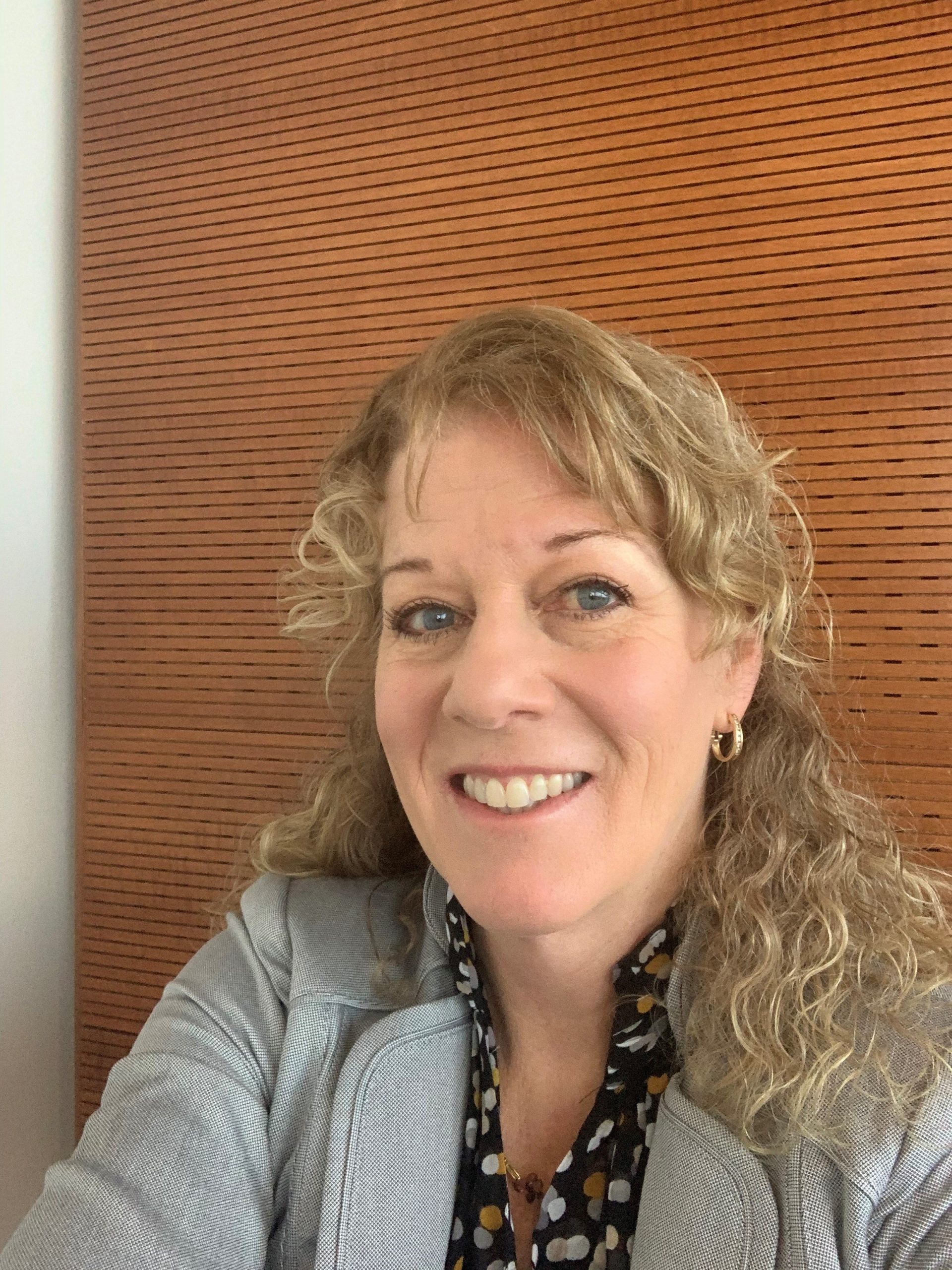

“Stem cells in the muscle persist throughout life, but their ability to repair tissue declines with age. Support from SCRMC enables us to apply cutting-edge genomic and epigenomic approaches to human muscle to uncover how changes in both stem cells and their surrounding niche drive this loss of regenerative function,” says Dillworth. “These insights are going to be critical for us to develop strategies to preserve and restore muscle health in aging.”
Additionally, Samantha R. Weaver, PhD and Roméo Blanc, PhD, will partner to investigate the role exercise plays in rejuvenating bone marrow function during the aging process. They will also test whether clinically relevant osteoanabolic therapies that help with osteoporosis augments these effects.

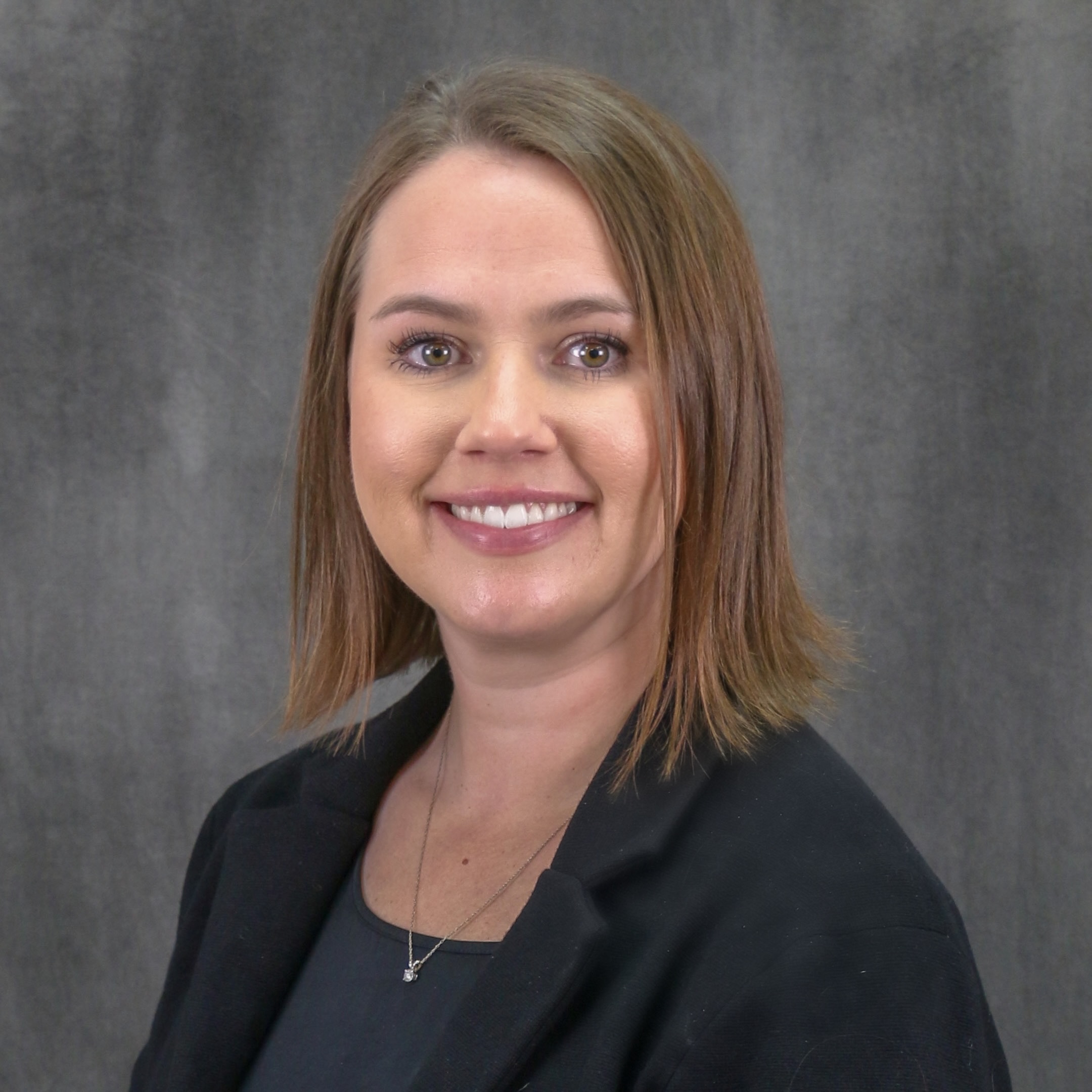
“We are excited at the opportunity of establishing a scientific partnership early into our careers,” says Weaver. “Though we both work with the skeleton, our areas of expertise differ substantially, with Dr. Blanc focusing on hematopoietic lineage stem cells and [my work focusing] on the mesenchymal lineage stem cells. This collaborative award will help us determine how exercise during aging benefits both lineages, resulting in more rejuvenated and healthier bone marrow and hard bone matrix.”
Likewise, Wan-Ju Li, PhD, Wei Xu, PhD, and Nathan Welham, PhD, CCC-SLP will collaborate on a project that aims to advance a neural crest-derived cell (NCC) model of skeleton formation using iPSCs. NCCs are the cells that differentiate into the cartilage, bone, and connective tissues of the face and head. By improving understanding of these cells and how they differentiate, the team hopes to advance tissue engineering and regenerative medicine as it relates to craniofacial repair.


“This study is a critical extension of our recent findings demonstrating the remarkable regenerative potential of neural crest-derived cells for cartilage repair in animal models” says Li. “A key unanswered question is why these cells appear to have such strong skeletal regenerative capacity. With this funding, we will use a human stem cell-based model to define the molecular and chromatin level programs that direct neural crest cells toward cartilage and bone. We hope this work will generate new insight that advances craniofacial regeneration. We also hope to reveal broader principles that can be applied to orthopedic repair of cartilage and bone elsewhere in the body.”
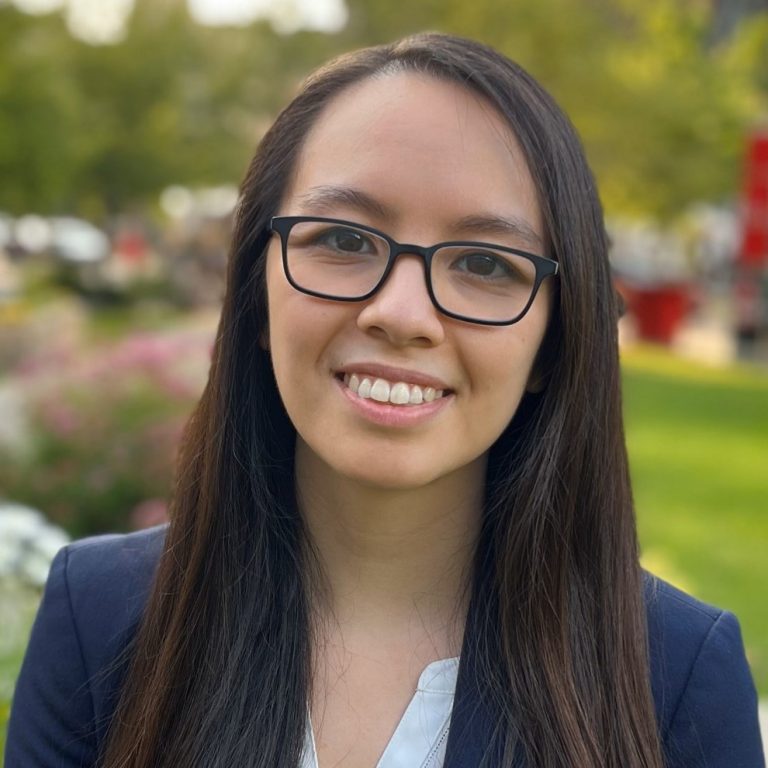
Finally, Masatoshi Suzuki, PhD, DVM, and Mai Ngo, PhD will collaborate on a project that aims to develop complementary two-dimensional (2D) and three-dimensional (3D) culture models of vascularized muscle-tendon tissues. By using these models to understand how vasculature regulates the differentiation and maturation of muscle and tendon tissues, the team will advance the development of therapies to improve the regeneration and recovery of muscle-tendon tissues.
“We’re really excited about this project,” Suzuki and Ngo shared. “Using human stem cells in combination with biomaterials and microfabrication tools, we’re building human tissue models that will help us understand how blood vessels support the growth and development of muscle and tendon tissues at the myotendinous interface. By growing these human tissue models in the lab, we hope to better mimic what actually happens in the human body. We’re truly grateful for the support from SCRMC, WARF, and our donors. This funding will be essential in getting this interdisciplinary work off the ground. Ultimately, our goal is to learn how these tissues develop and heal, so we can identify new ways to treat injuries and diseases.”
Overall, these one-year grants will serve as a launching pad for this exciting research, providing the foundational work needed to secure future funding and expand on the findings.