The SCRMC Research Training Awards Program provides unique, interdisciplinary training for five future leaders in stem cell and regenerative medicine research. Additionally, this program will foster interdisciplinary collaborations among campus investigators.
The award was established in 2008 to recognize and provide support for promising graduate students and postdoctoral fellows of all citizenships conducting stem cell and regenerative medicine research at the University of Wisconsin-Madison.
The SCRMC and the awardees would like to thank the Bruce family and those who philanthropically support the SCRMC and make these awards possible.
Bruce Family Innovation Awards:
Taisuke Furusho
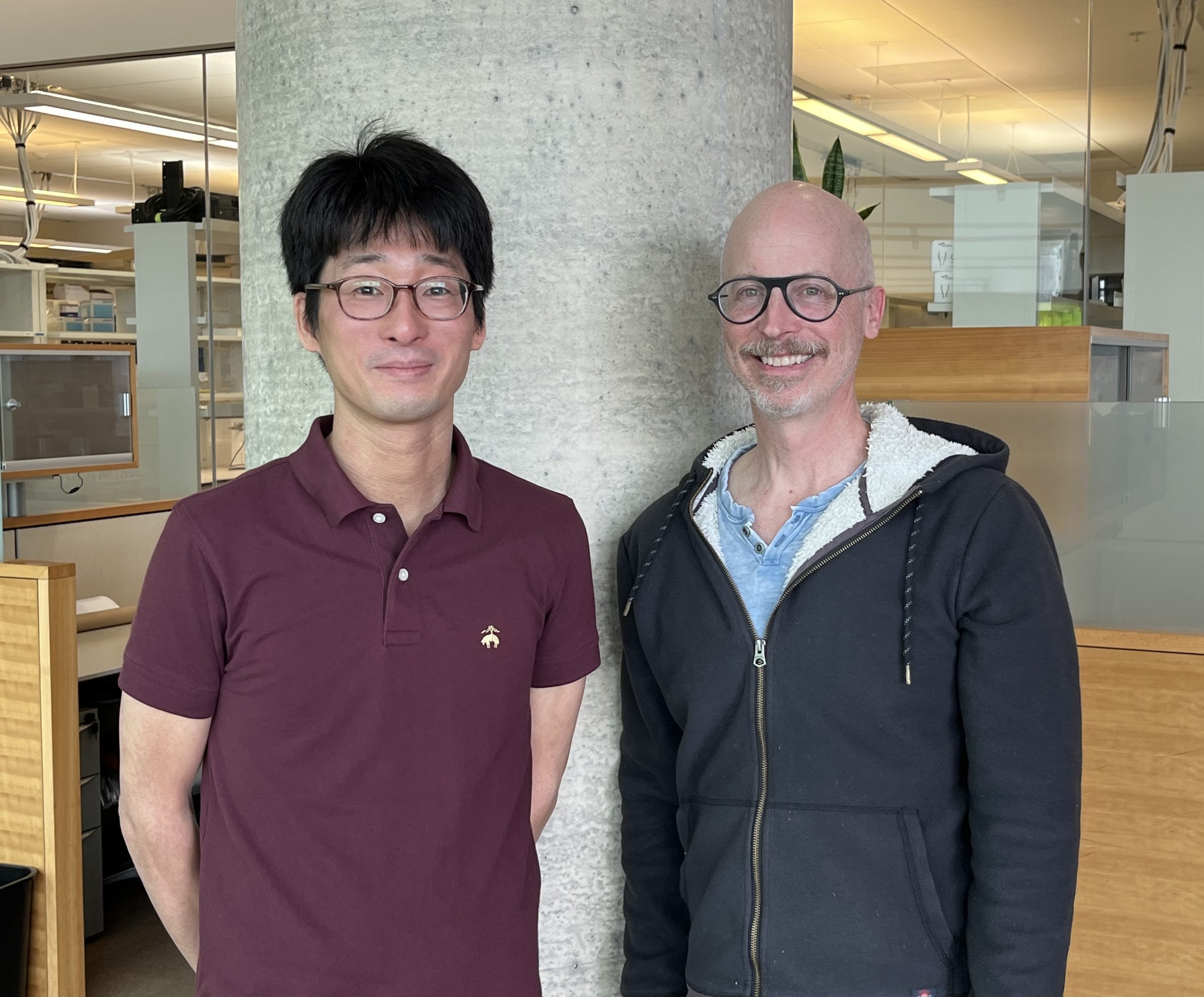
Lab: Ken Poss, PhD, Professor; Director of Regenerative Biology, Morgridge Institute
Research Title: Identification of metabolite-responsive genomic enhancers that control nephrogenesis during kidney growth and regeneration
Department: Morgridge Institute
Research Description:
Adult zebrafish possess a remarkable ability to regenerate the kidney by forming new nephrons, the functional units of the kidney, whereas this ability is lost in mammals. As a result, kidney injury in humans leads to irreversible nephron loss and a progressive decline in renal function. Impaired kidney function is associated with an increased risk of cardiovascular disease and often necessitates renal replacement therapies such as dialysis or transplantation. However, there are currently no therapies that restore or increase nephron number. This project investigates how nephron formation is regulated during growth and regeneration in zebrafish, with a particular focus on gene regulatory networks and upstream molecular signals. Insights gained from this work will help inform the development of novel regenerative strategies for kidney disease.
Trainee Statement:
I am honored to receive this fellowship, which provides both encouragement and critical support for pursuing this ambitious project. As a physician-scientist in nephrology, I am inspired by the unique regenerative capacity of the zebrafish kidney and excited to investigate its underlying mechanisms. I am grateful for the support of my mentors, lab members, and collaborators. I look forward to sharing the outcomes of this work and contributing to advances in kidney regeneration.
Gayatri Puri
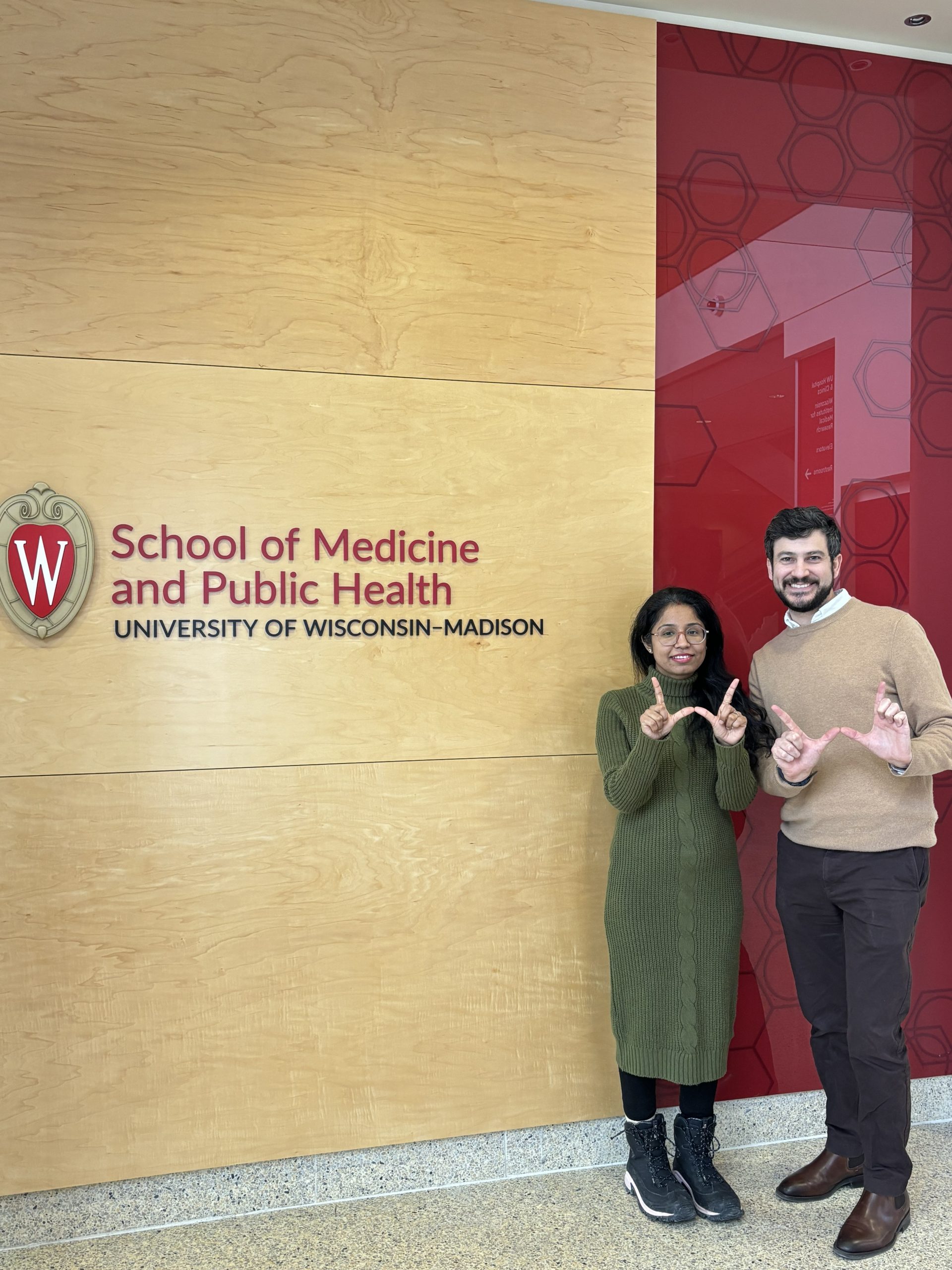
Lab: Roméo Blanc, PhD, Assistant Professor, Cell and Regenerative Biology
Research Title: Defining Epigenetic Remodeling Underlying Exercise-Mediated Hematopoietic Rejuvenation
Department: Cell & Regenerative Biology
Research Description:
By 2050, the number of individuals aged 60 and older in the United States is projected to reach 82 million, significantly increasing the burden on healthcare systems. Puri’s research addresses this challenge by investigating how aging impairs long-term hematopoietic stem cell (LT-HSC) function and identifying strategies to restore their regenerative capacity. Aging of the hematopoietic system drives immune dysfunction, chronic inflammation, reduced regenerative potential, and increased susceptibility to infections and malignancies. Puri’s work focuses on aerobic exercise as a systemic, non-pharmacological intervention to counteract these age-associated changes. Specifically, she will examine how exercise remodels HSC function, metabolic signaling, and the cytokine landscape of the bone marrow niche, potentially through epigenetic reprogramming, including modifications of H4K20 mark. By integrating molecular profiling with functional assays, she aims to uncover mechanisms that promote rejuvenation of aged HSCs. Ultimately, this research seeks to identify actionable pathways to improve hematopoietic and immune health, contributing to strategies that support healthier aging.
Trainee Statement:
I am deeply honored and excited to be selected as a recipient of the Bruce Family Innovation Award. As an international researcher, I often face limited opportunities to apply for funding in the United States, making this recognition especially meaningful and motivating at this stage of my career. With my background in immunology, I am particularly excited about the opportunity to further integrate this expertise with stem cell biology, epigenetics, and aging research. Being part of the SCRMC community provides a unique interdisciplinary environment that will foster new insights and collaborations across these fields. I am confident that this support will help me broaden my scientific perspective and contribute meaningfully to research at the interface of immunology, stem cell biology, epigenetics, and aging.
SCRMC Trainee Awards:
Carolina de Medeiros Vieira
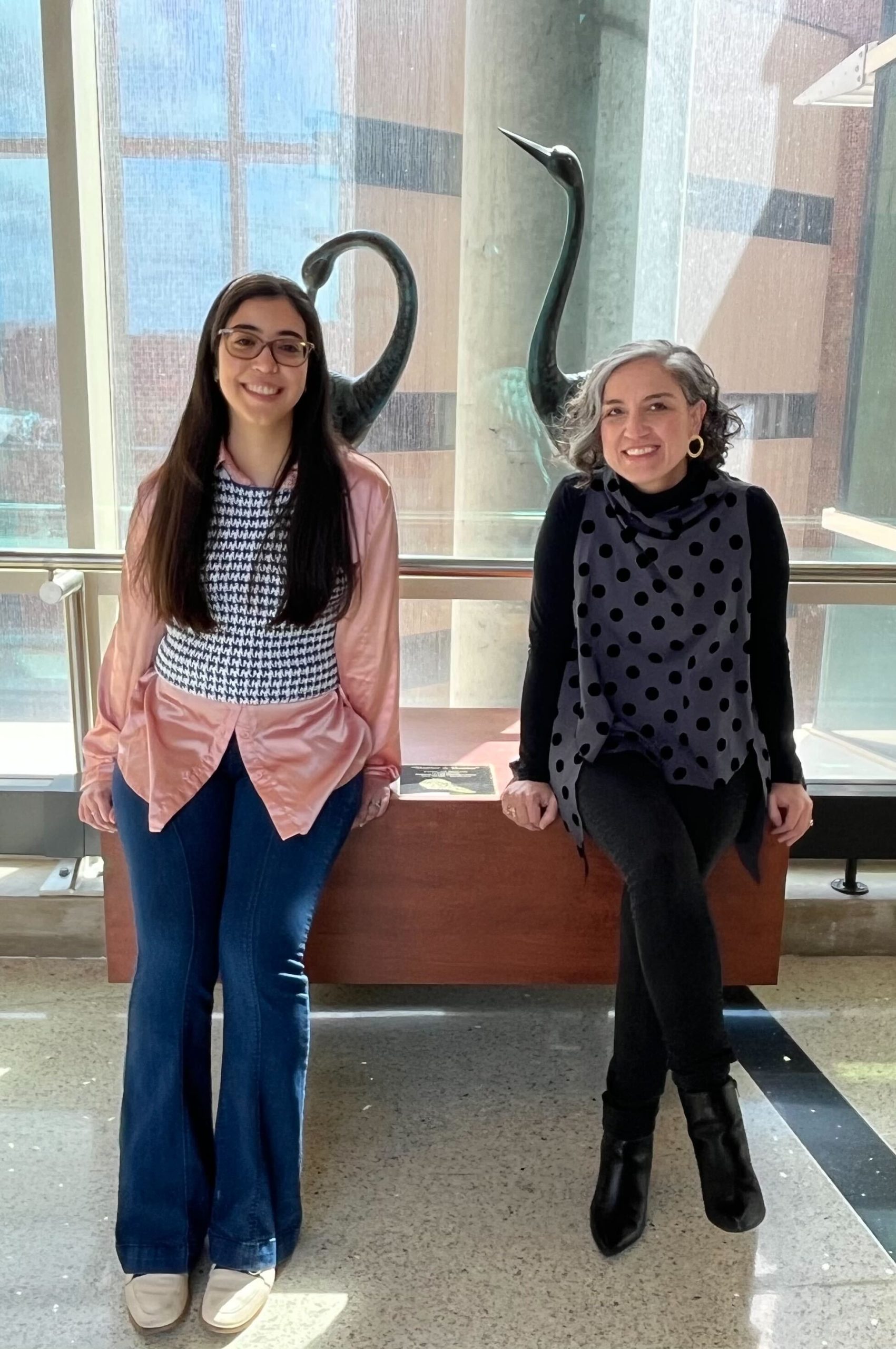
Lab: Valentina Lo Sardo, PhD, Assistant Professor, Cell and Regenerative Biology
Research Title: Stem Cell Models to Understand Ancestry-Dependent Cardiovascular Disease Risk
Department: Cell & Regenerative Biology
Research Description: The Lo Sardo Lab focuses on understanding the functional consequences of genetic variants linked to cardiovascular disease in different cell types using human iPSC models. In particular, Carolina de Medeiros Vieira’s research will investigate the region in the genome called 9p21.3. This region is known to be one of the strongest genomic points associated with increased coronary artery disease (CAD) susceptibility, however, an intriguing feature of this genomic region is its heterogeneity across genetic ancestries. Researchers have discovered that 9p21.3 is a strong CAD genetic risk factor for individuals of non-African descent but does not have the same effect in individuals of African genetic ancestry. De Medeiros Vieira will use the funds provided by this award to better understand this region and how CAD susceptibility may differ across populations using iPSC-derived vascular cells, primarily involved in the disease. De Medeiros Vieira hopes to learn from human evolution how to design a therapeutic strategy to counteract the strong risk effect of this locus. Her work will be relevant to the study of other genomic regions linked to increased CAD risk. The long-term goal of her research will be to design individualized therapeutics for cardiovascular disease to benefit all.
Trainee Statement:
I was really happy to receive this award because I’m an international student and there are not that many funding options open to us. This award also gives me a chance to join the stem cell community, which is very relevant to my research. I am also looking forward to presenting my research at the Stem Cell Seminar. I’m a nervous presenter, but I’m looking forward to challenging myself to present in front of a large crowd.
Allyssa Fogarty

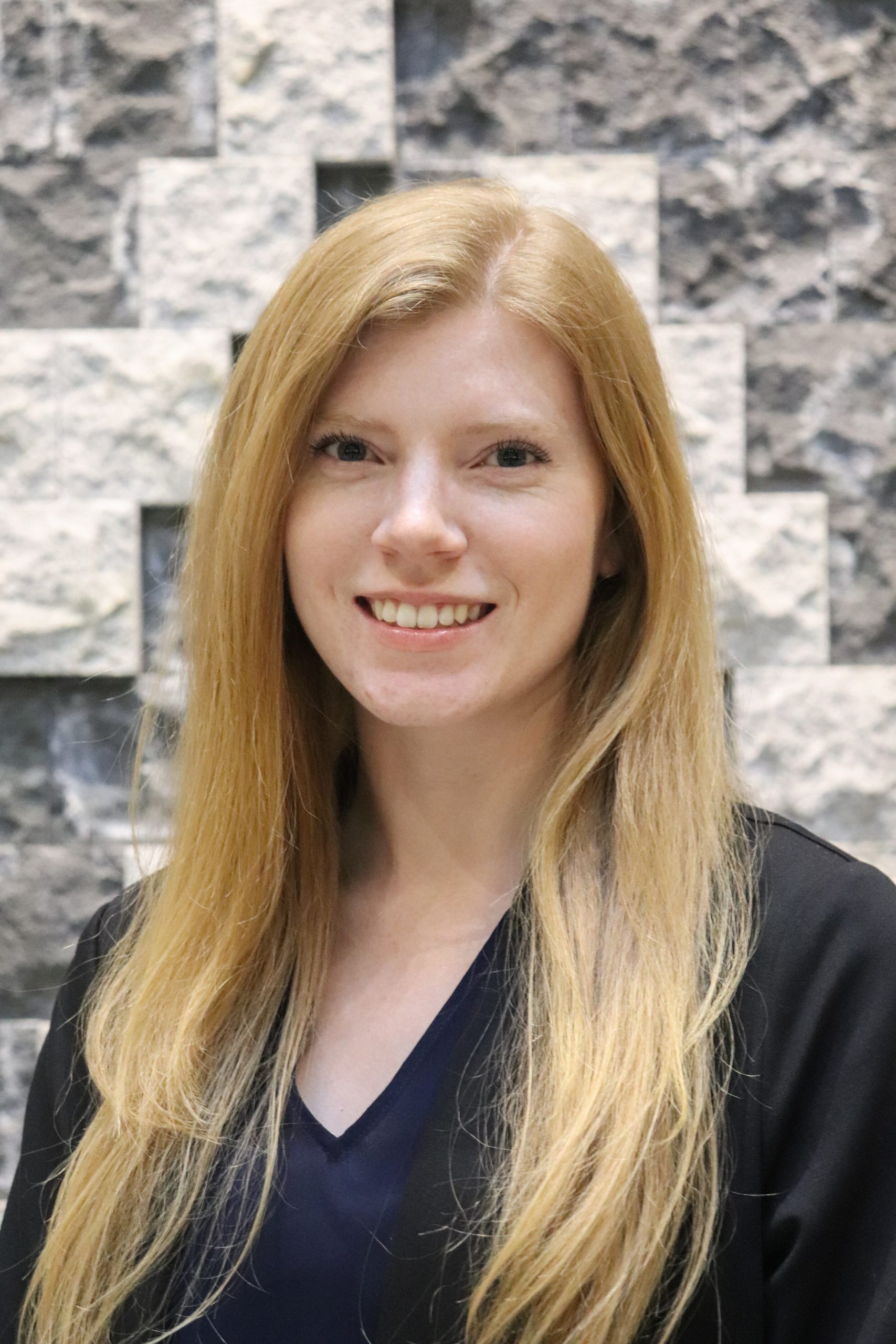
Lab: Fei Zhao, PhD, Assistant Professor, Comparative Biosciences
Research Title: Biomechanical forces regulated by GATA2 in mesenchymal-epithelial interactions
Department: Comparative Biosciences
Research Description:
The embryonic Wolffian duct (WD), the precursor of the male reproductive tract, undergoes elongation, coiling, and regional differentiation. This project investigates how mesenchymal–epithelial interactions regulate these events, with a focus on mechanotransduction. The Zhao lab recently identified the mesenchymal transcription factor GATA2 as essential for WD development. Conditional deletion of Gata2 in the mesenchyme (Gata2cKO) leads to defective epididymal coiling, loss of epididymal identity, and abnormal epithelial differentiation. Notably, these defects are not explained by changes in canonical biochemical signaling pathways. Instead, preliminary data show reduced expression of mesenchymal integrin α4 (ITGA4), a key mediator of force transmission between the extracellular matrix and cytoskeleton, alongside decreased epithelial YAP1 and its downstream target Cyr61. The lab, therefore, hypothesized that mesenchymal GATA2 regulates gene programs involved in mechanical force generation to promote epithelial YAP1 activation and proper ductal development. To test this, the lab will use DNA tension probe technology to quantify cell-generated forces in the mesenchyme alongside ex vivo organ culture and sequencing. This work will define how mesenchymal mechanotransduction contributes to epithelial development in the WD, providing new insight into the role of mechanical forces in WD organogenesis.
Trainee statement:
I am honored to have received the SCRMC Graduate Training Award, which provides me with valuable opportunities to expand my training in mechanobiology and connect with researchers across disciplines. Through workshops on DNA tension probes and coursework in soft material biology, I am excited to develop new skills and integrate them into my research in reproductive biology. As a PhD student in the Zhao lab, I have developed a strong background in developmental and reproductive biology, which has sparked my interest in how mesenchymal–epithelial interactions shape tissue development. My current project focuses on how the mesenchyme influences epithelial differentiation, and I am eager to deepen my understanding of these processes through exposure to mechanobiology and regenerative medicine. Being part of the SCRMC community is especially meaningful to me, as it offers the opportunity to learn from experts, exchange ideas, and broaden my perspective. I am excited to bridge developmental biology, reproductive biology, and mechanobiology in my training and apply this knowledge to understanding tissue morphogenesis.
Christina Jurotich

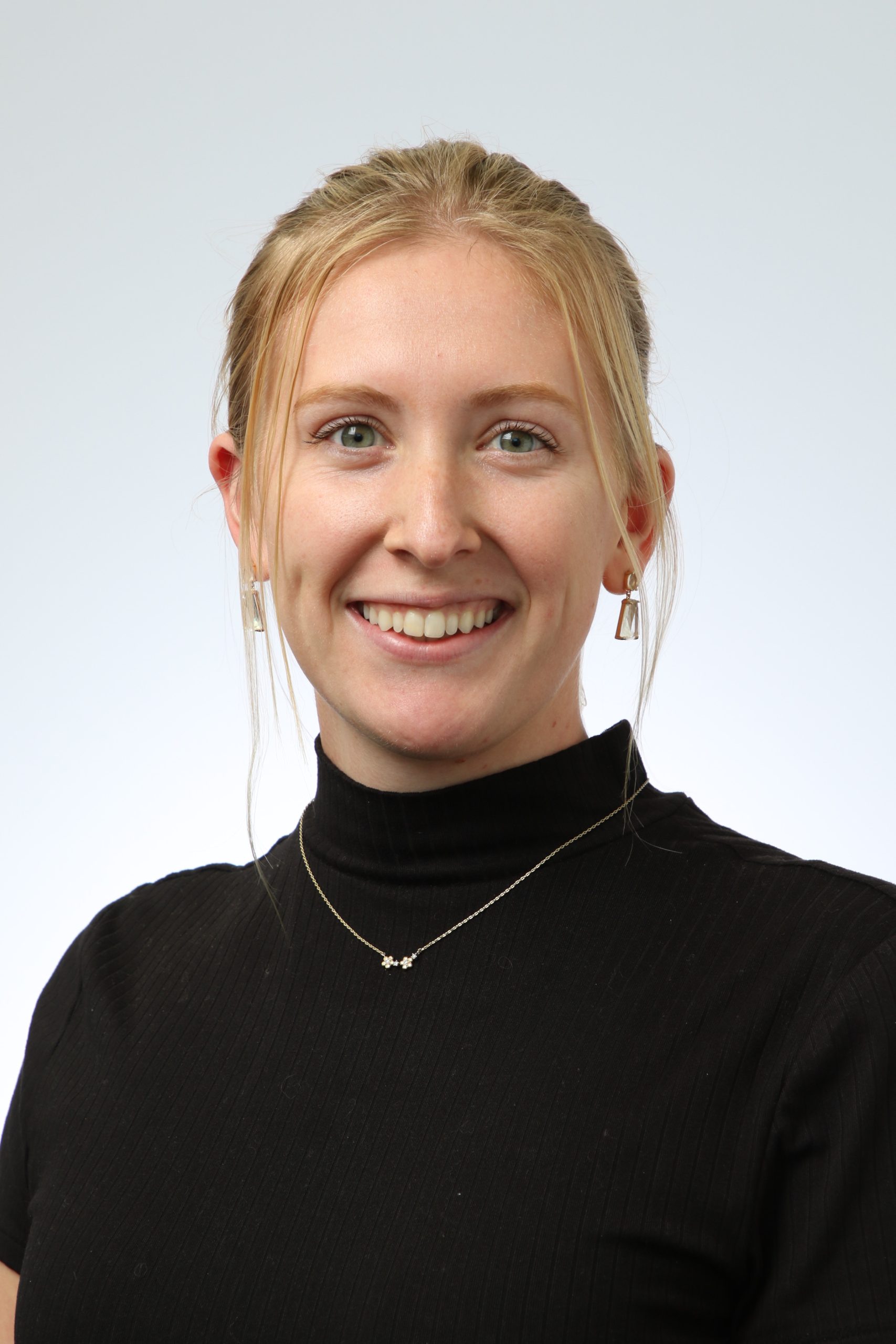
Lab: Emery Bresnick, PhD, Gary Felsenfeld Professor of Cell and Regenerative Biology; Lowell and Gwendolyn Smythe Endowed Professor, Director, UW-Madison Blood Cancer Research Program
Research Title: Discriminating Benign from Pathogenic Variants in the Oncogenic ATPase DDX41
Department: Cell & Regenerative Biology
Research Description:
This research focuses on studying the functions and mechanisms of action of DEAD-box Helicase 41 (DDX41) in erythroid progenitor cells and hematopoietic development. Germline DDX41 variants are the most common inherited cause of predisposition to myelodysplastic syndrome (MDS) and acute myeloid leukemia (AML). However, while there are over 300 DDX41 variants reported, more than 80 percent are variants of uncertain significance. This is largely due to a gap in understanding how DDX41 promotes myeloid neoplasms, how DDX41 variants impact stem/progenitor cells, and the fact that there are currently no functional assays to test the activity level of DDX41 variants. Through the lab’s work, they have discovered that DDX41 regulates the alternative splicing of a subset of genes, and that two clinical pathogenic variants are defective in regulating these transcripts. Jurotich plans to utilize and expand upon this discovery to create a functional assay that will enable the discrimination of DDX41 variants into categories of pathogenic or benign, which will have profound impacts for improving precision medicine.
Trainee Statement:
I am thrilled to receive the SCRMC Training Award and to gain the opportunity to work with a new group of mentors and trainees. I think this environment will introduce me to new ideas, different ways to look at my data, and facilitate new collaborations. I’m looking forward to becoming more deeply involved in the world of stem cells and regenerative medicine.
Aayushi Raval
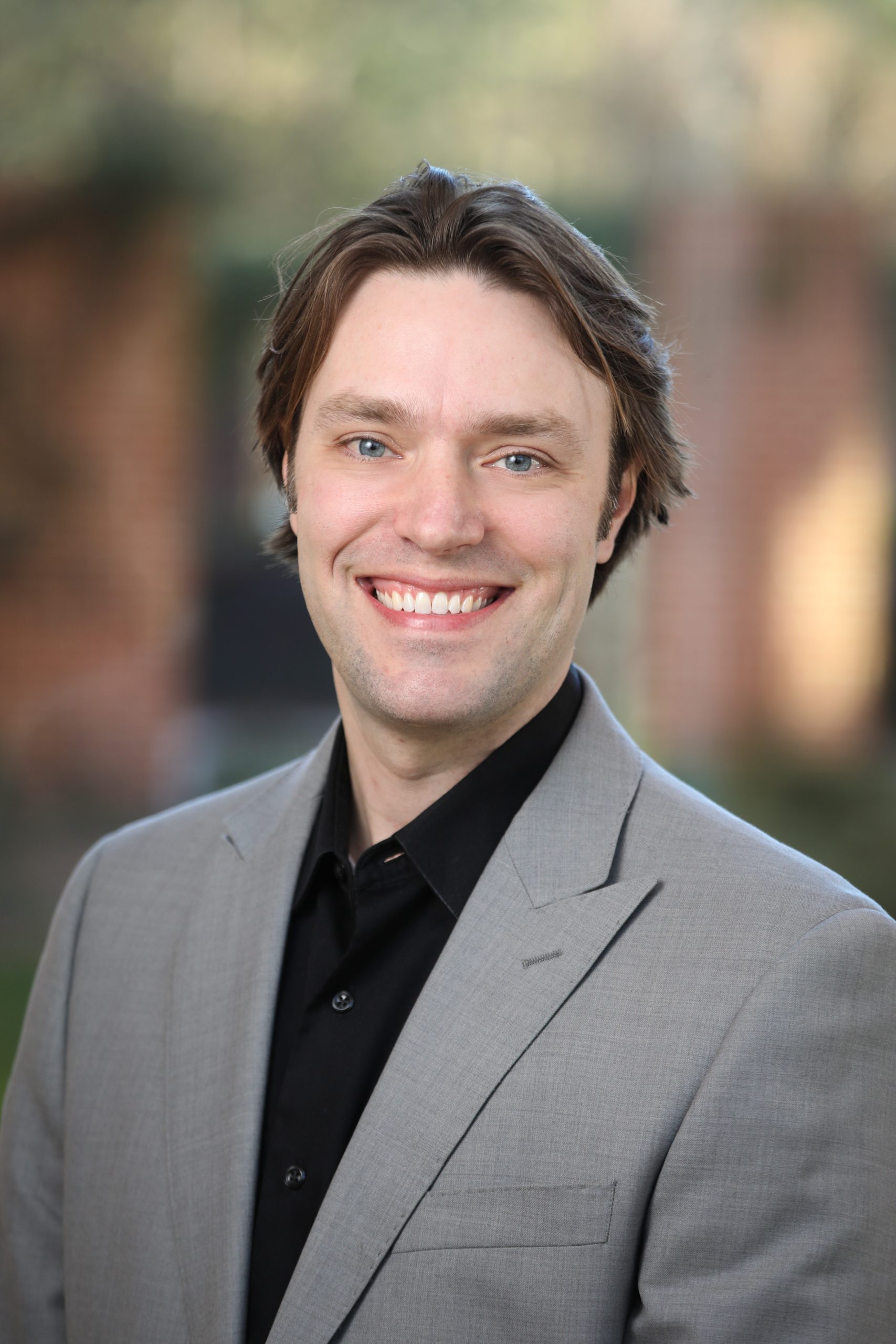
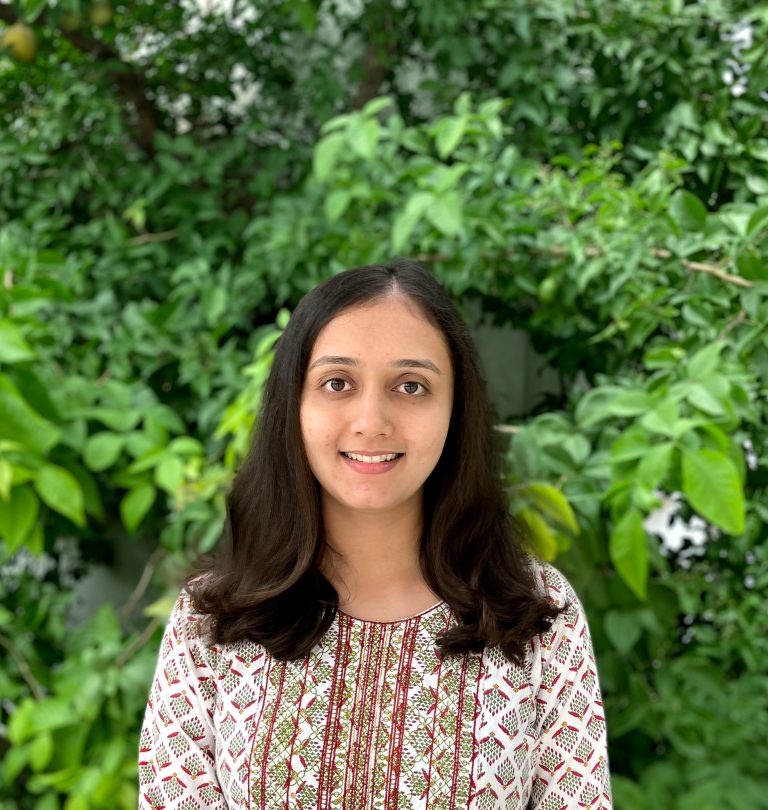
Lab: Justin Wolter, PhD, Assistant Professor, Medical Genetics
Research Title: PTEN haploinsufficiency alters neural progenitor cell state in iPSC derived cortical organoids
Department: Medical Genetics
Research Description: A central question that drives Raval’s research is: why does the same genetic mutation lead to different outcomes across individuals? More broadly, this reflects a fundamental challenge in biology and medicine, understanding why individuals respond differently to the same underlying genetic changes. Raval plans to study this in the context of PTEN, one of the commonly mutated genes associated with autism spectrum disorder (ASD). While PTEN mutations are strongly linked to altered brain development, individuals carrying these mutations show striking variability in clinical outcomes. Understanding the biological basis of this variability remains a major challenge in neurodevelopmental research. To address this, Raval will use human stem cell derived cortical organoids, which are 3D models that recapitulate key aspects of early neurodevelopment. These systems allow us to study human brain development in a controlled setting, offering insight into processes that are otherwise difficult to observe directly. Raval’s work leverages a large and genetically diverse cohort of over 100 induced pluripotent stem cell (iPSC) lines, enabling her to examine how genetic background influences cellular responses to the same mutation.
Raval’s research focuses on how PTEN haploinsufficiency alters neural progenitor cell behavior in a donor-specific manner, particularly through changes in cell cycle dynamics, self-renewal, and differentiation programs. By integrating single-cell RNA sequencing with donor-level analyses, she aims to define distinct response patterns that explain why some individuals exhibit more pronounced developmental effects than others. She will further investigate how these early differences influence downstream neuronal and glial development, linking stem cell behavior to later developmental outcomes. Overall, her work takes a precision stem cell biology approach, treating interindividual variation as a key biological signal. By identifying genetic modifiers of PTEN-associated neurodevelopment, this research aims to bridge the gap between genetic risk and cellular mechanisms underlying ASD.
Trainee Statement: I am truly honored and grateful to receive the SCRMC Graduate Training Award. This recognition comes at an important stage in my PhD and provides meaningful support to continue pursuing my research at the intersection of stem cell biology, genetics, and neurodevelopment.
I have always been fascinated by stem cells as a tool to study human biology. Their ability to model complex developmental processes in a controlled system allows us to ask questions that would otherwise be inaccessible. What particularly draws me to this field is the highly orchestrated nature of early brain development, how neural stem cells proliferate, differentiate, and organize into complex structures with remarkable precision. Understanding what governs this process, and what drives variation between individuals, strongly motivates my work. The SCRMC community provides a uniquely interdisciplinary environment that is essential for this type of work. Through this award, I am excited to further develop skills in stem cell modeling, single-cell genomics, and integrative analysis, while also engaging with researchers across diverse areas of regenerative medicine. This award supports my current research and reinforces my long-term goal of continuing to explore fundamental questions in human development using stem cell-based systems. I am excited to keep learning, asking new questions, and contributing to a deeper understanding of how genetic variation shapes the developing brain and to be part of a community that values that work.