2026 Fall Newsletter
Explore the latest research, events, and more from the SCRMC!
We are thrilled to share the exciting research and collaborations that have taken place over the past few months through our updated website. You will notice changes throughout the site that will help to improve the user experience. We hope you will find these adjustments helpful. If you have any questions or need assistance locating material, please feel free to reach out to bmcbride@medicine.wisc.edu.
Thank you for continuing to support the SCRMC!
Table of Contents
Feature Stories
Supercharging the Superheroes of the Immune System
When illness strikes, white blood cells are the first cells on the scene. Much like a team of superheroes they each complete their specialized task, engulfing bacteria, controlling the immune response, and cleaning up dead or damaged cells. Leading the charge, is the macrophage, which literally translates to “big eater”. These white blood cells destroy illnesses, recruit other immune cells, and clean up the aftermath. Given their incredible power to heal us, researchers at the University of Wisconsin–Madison are exploring ways that these cells can be used to fight tumors through immunotherapy.
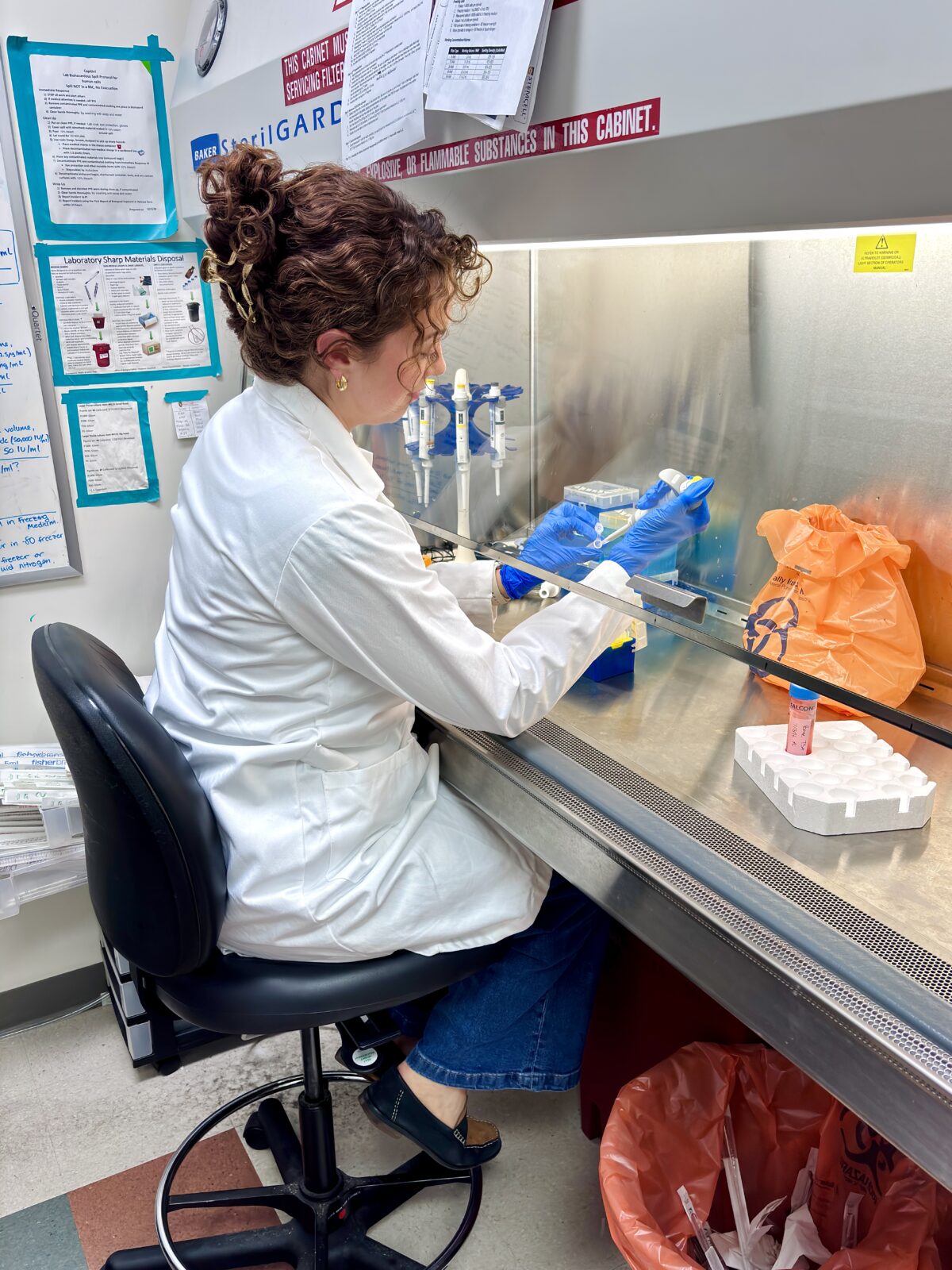
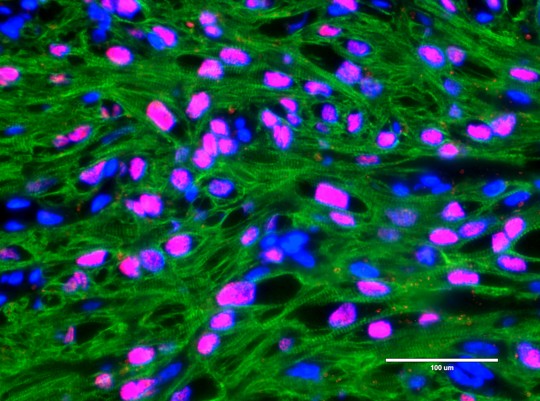
Researchers overcome a major barrier in using stem cell therapy for heart repair
For the nearly one million Americans who have a heart attack each year, receiving care in the first 90 minutes is a critical step towards restoring blood flow to the jeopardized heart muscle. Unfortunately, many patients do not receive care in this window, so a portion of their functioning heart muscle dies. Researchers have turned to stem cells as they aim to help these individuals regenerate heart muscle cells, but previous studies have shown an increased risk of life-threatening heart arrhythmias following this intervention. A new study from the University of Wisconsin–Madison is helping to remove this roadblock by advancing a different, safer approach to heart muscle regeneration.
A molecular ‘override’ for inherited blindness: Bikash Pattnaik’s research group publishes recent paper
For children born with a rare form of inherited blindness called Leber congenital amaurosis type 16 (LCA16), the genetic culprit can be a single miswritten instruction in their DNA — a so-called “nonsense mutation” that tells the cell to stop building a critical protein before it’s finished. The result is a truncated, nonfunctional protein, a retina that cannot do its job, and progressive loss of sight with no approved treatment. A paper by Pawan Shahi and Enes Akyuz, co-first authors, published on June 9, 2026, in Signal Transduction and Targeted Therapy — one of the highest-impact journals in biomedical science — reports a proof-of-concept therapy that overrides that premature stop signal, restores the missing protein, and measurably improves retinal function in patient-derived cells and in a mouse model of the disease.
The Two Owens
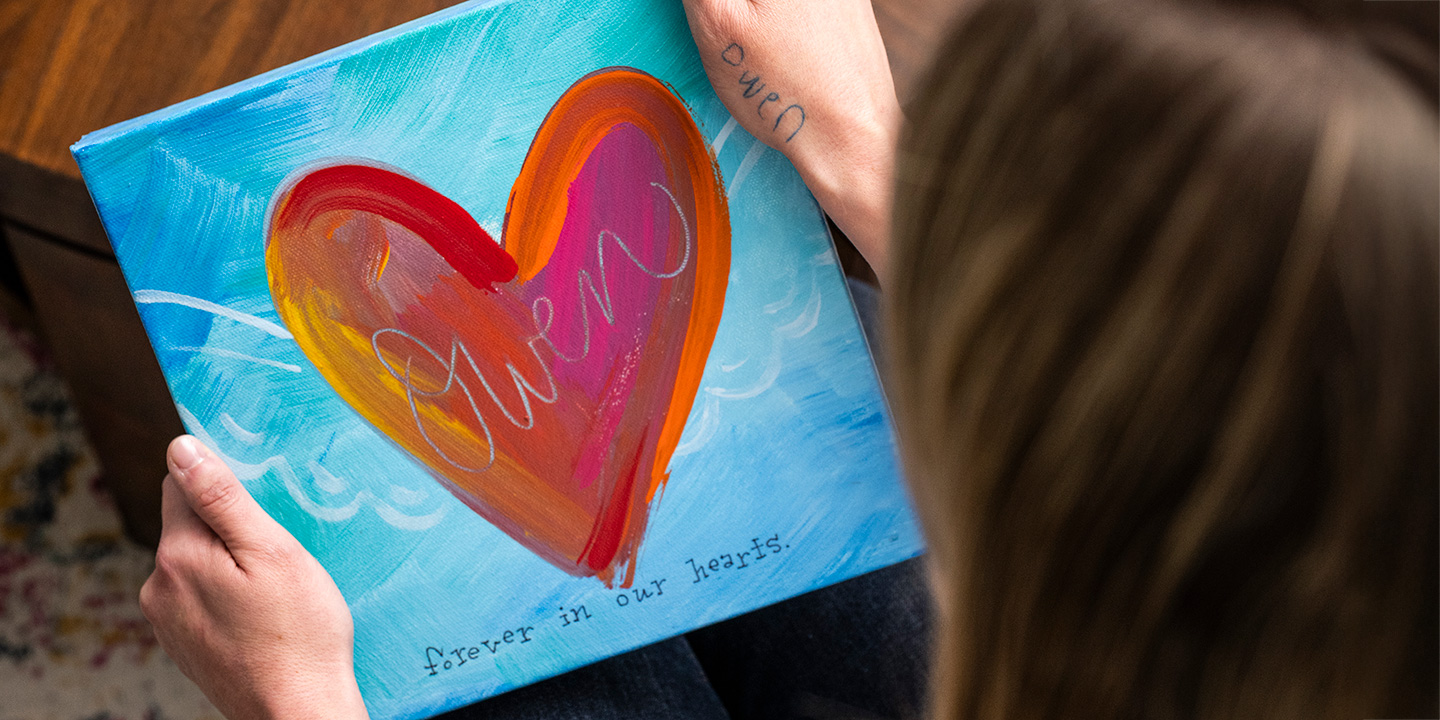
This is a story about smart people and tragedy, about a cancer called diffuse intrinsic pontine glioma, or DIPG, and how science slowly works to help us understand things that terrify us so that we can confront them. And it’s about what America risks when its government impedes research.
This is the story of Owen Petrzelka and Owen Tamplin.
Stem Cell Seminar Series: NAMs Mini-Series
The NAMs mini-series will highlight ongoing stem cell-related NAMs research on campus and potential collaborative/funding opportunities. These events are a part of the weekly stem cell seminar series held each Tuesday during the semester from noon-1 p.m. These special events will be held online and on campus:
November 10th with speaker Monica Ohnsorg in the Orchard View Room (WID)
November 24th with speakers Anita Bhattacharyya & Yi-Tang Lee in the Orchard View Room (WID)
Awards & Member Updates
ICTR and partners invest in five interdisciplinary research teams
The SCRMC and ICTR have partnered to co-fund the study Generation of a Humanized Rat for Translational Studies in Immunology. Additionally, SCRMC members are participating in two other interdisciplinary research teams funded by ICTR.
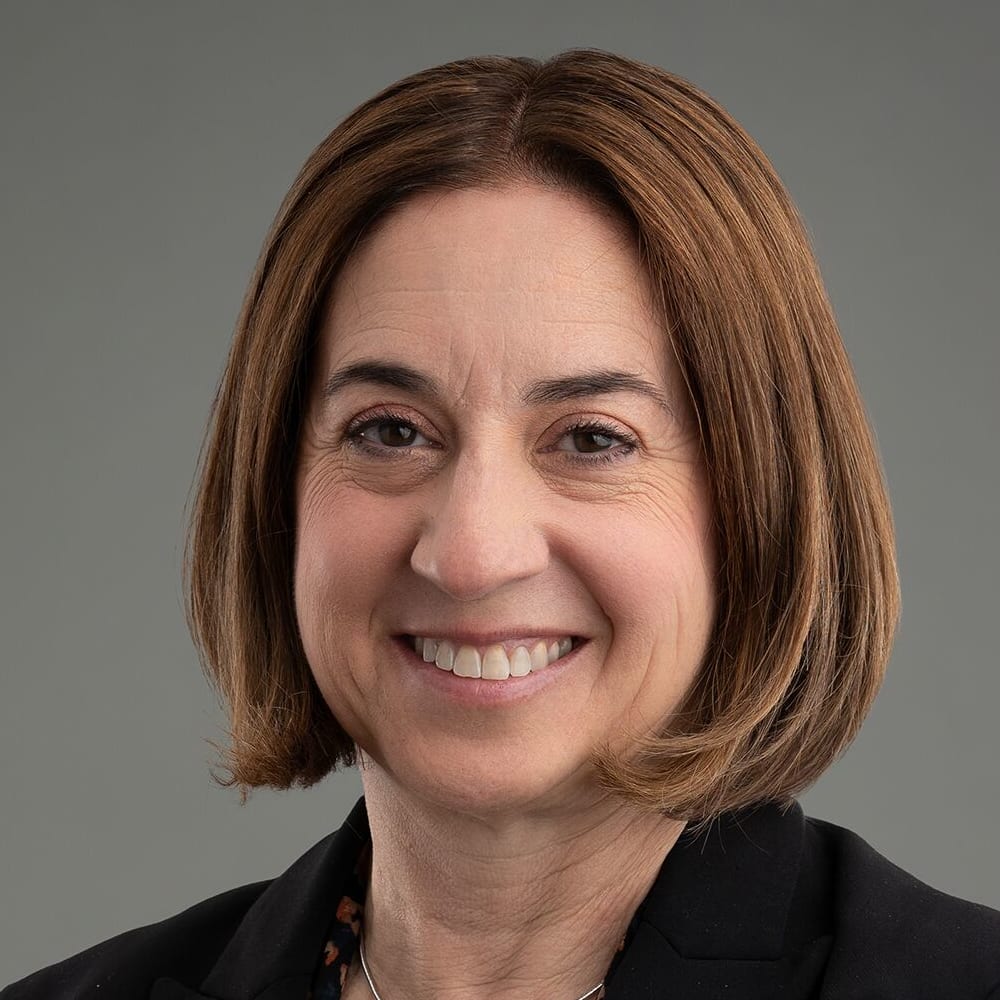
Hara Levy, MD, MMSc
Professor of Pediatrics
New SCRMC Member
Dr. Levy’s translational research program uses cystic fibrosis (CF) as a model to understand how inherited epithelial ion-channel dysfunction and chronic airway infection reprogram innate immune cells and alter lung repair. Her group focuses on monocytes/macrophages and neutrophils, two hematopoietic lineages central to tissue injury, inflammation, resolution, and regeneration.
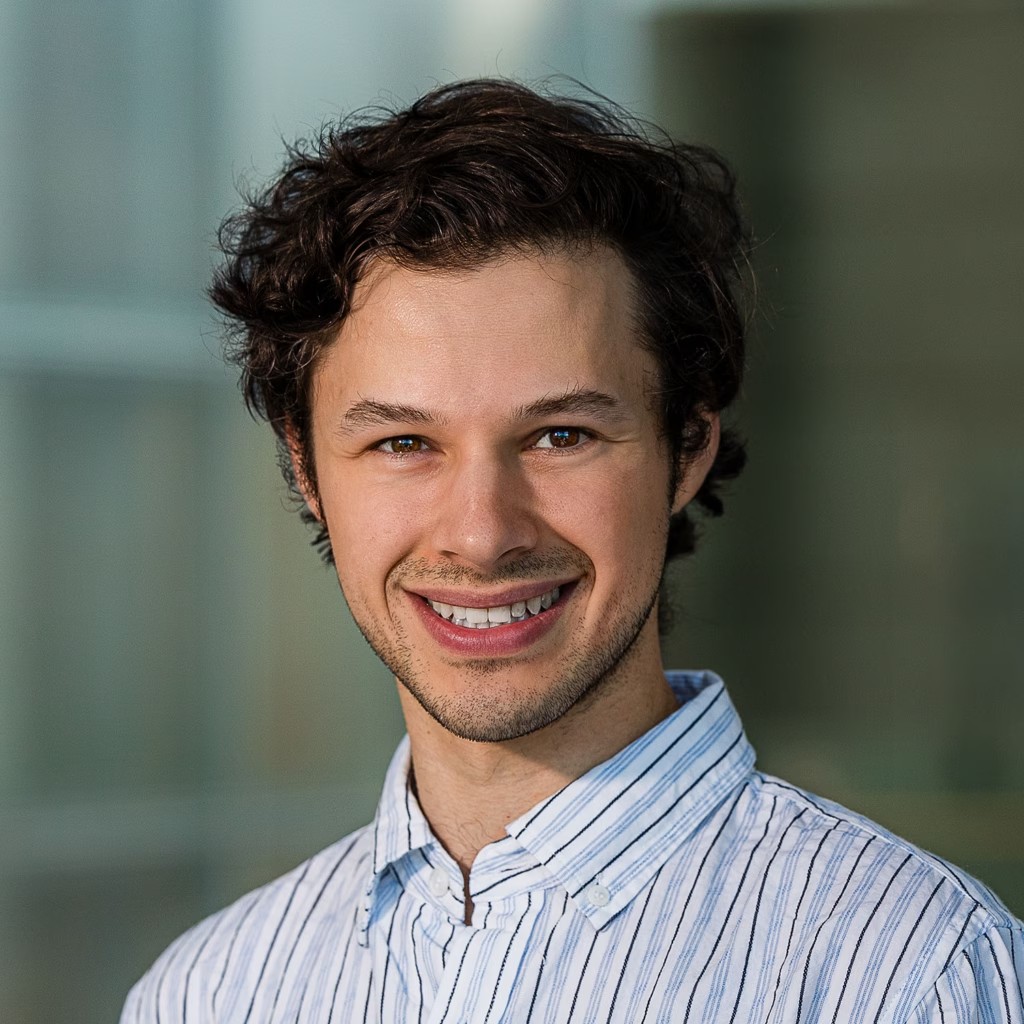
Jonathan Soucy, PhD
Assistant Professor, Department of Biomedical Engineering
New SCRMC Member
Soucy’s research investigates how stem cell-derived neurons can be used to rebuild damaged neural circuits and restore vision.
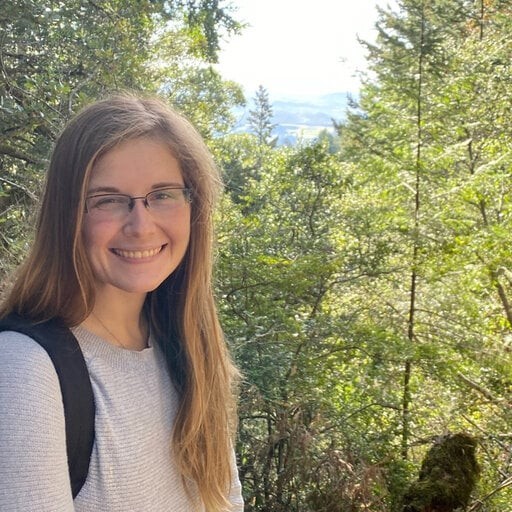
Rachel Turn, PhD
Assistant Professor, Comparative Bioscience, School of Veterinary Medicine
New SCRMC Member
Turn’s research addresses a fundamental question: what defines G0? Most cells exit the cell cycle either as quiescent, stem-like cells poised for activation or as terminally-differentiated cells with specialized functions.
Events
2026 Fall Conference and Job Fair
Thank you to everyone who attended the event!
On September 4, more than 200 students, faculty, researchers, and industry members joined the SCRMC for a day of networking, keynote speakers, blitz talks, a poster competition, and so much more.
A special thank you to Kristin K. Baldwin, PhD and Anna Huttenlocher, MD, PhD who served as the keynote speakers for this event.
Please join us in congratulating the winners of the Fall Conference competitions!
- Blitz Talk: Hannah Hwang, Roméo Blanc Lab
- Promoter-proximal pausing establishes bioenergetic readiness in quiescent muscle stem cells
- Poster 1st place: Siyang Cao, Junsu Kang Lab
- Highly regenerative Tuft-like spike cells regulate resident macrophage population in zebrafish fin epidermis
- Poster 2nd place: Sidra Jabeen, Jeff Dilworth
- Muscle stem cell-derived high molecular weight hyaluronan attenuates dystrophic pathology in mdx mice
- Poster 3rd place: Alice Alhaj Kadour, Owen Tamplin
- A novel model of diffuse midline glioma to investigate tumor initiation and identify new treatment strategies
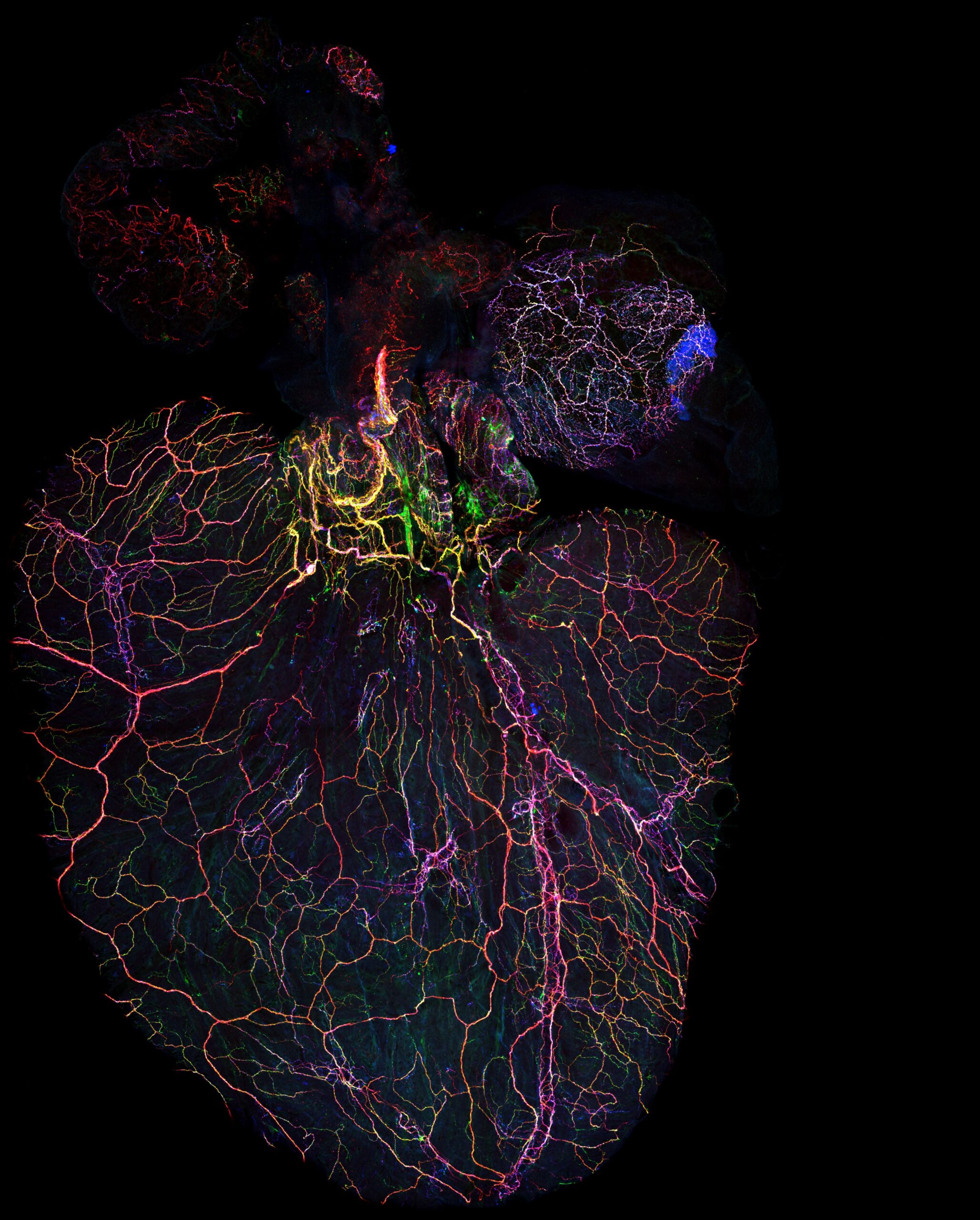
- Cool Image: Anjelica Rodriguez-Parks
- Mature zebrafish cardiac neural network surrounds the atrioventricular canal, a specialized signaling region increasingly recognized as an important regulator of cardiac regeneration. Green: scn8ab:eGFP; red: acetylated tubulin; blue: tyrosine hydroxylase.
Thanks again to the SCRMC Research Training Award winners who organized this event. The Research Training Award was established in 2008 to recognize and provide support for promising graduate students and postdoctoral fellows conducting stem cell and regenerative medicine research at the University of Wisconsin–Madison.
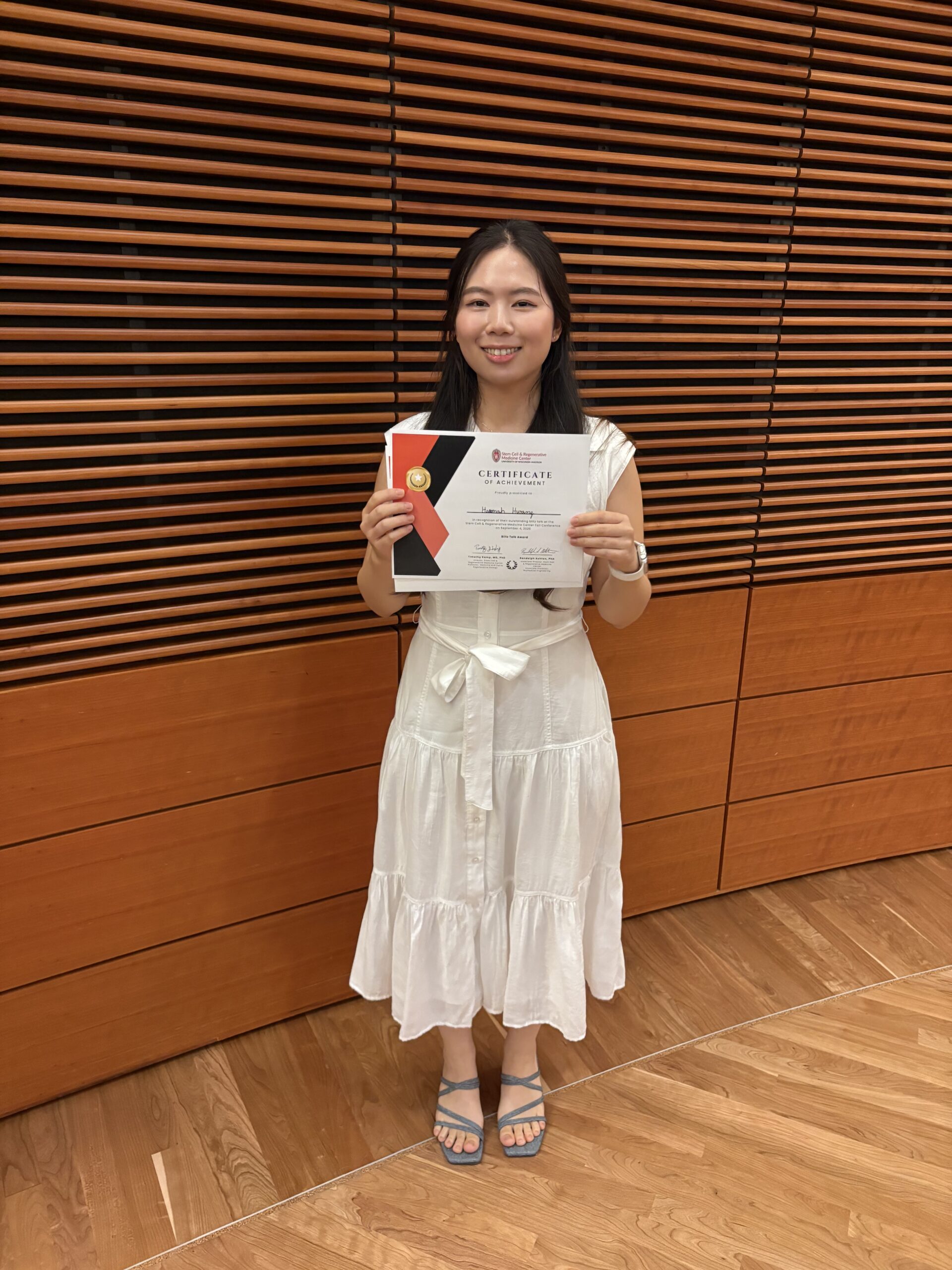
Photo by Paige Mussehl
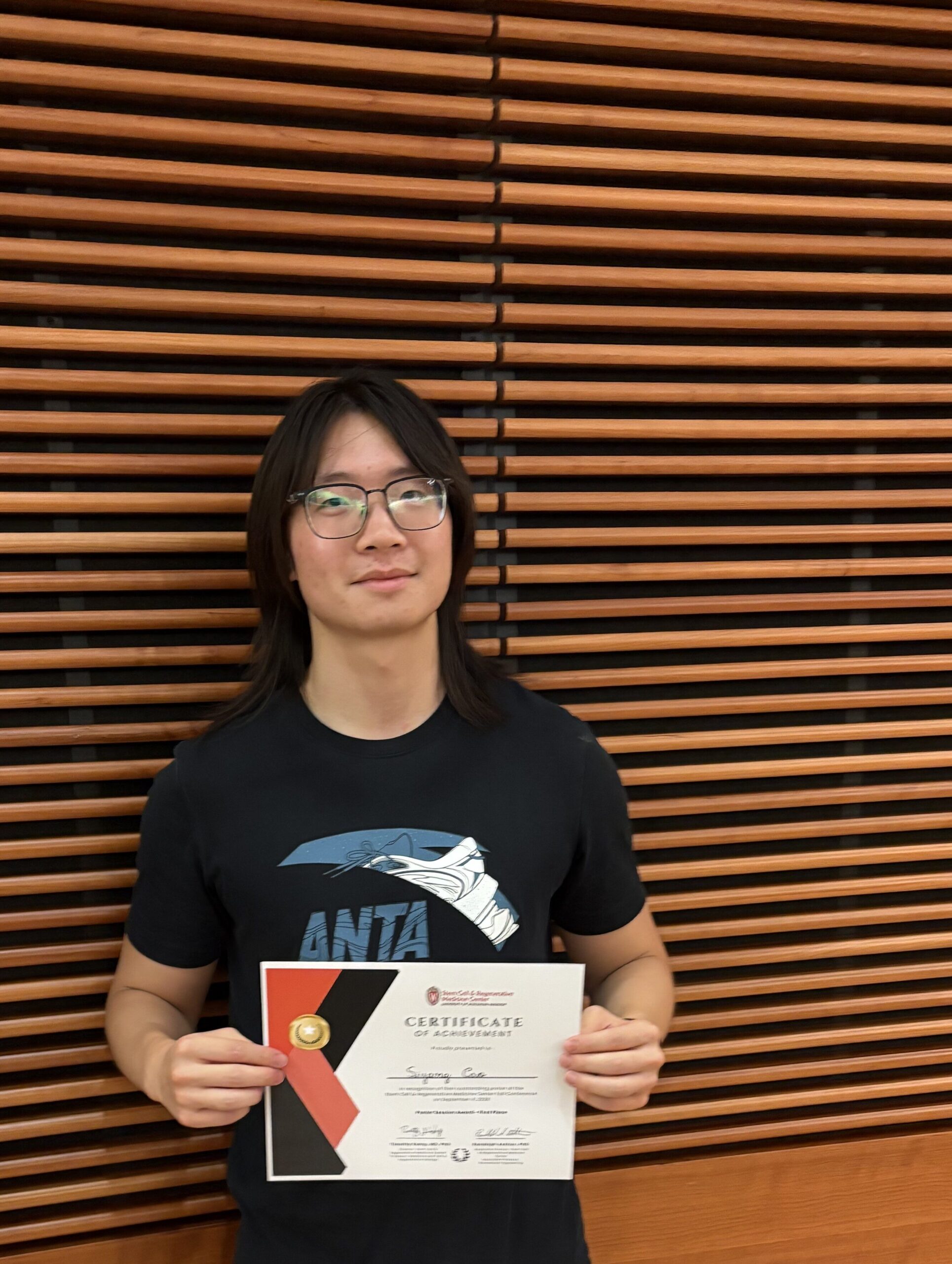
Photo by Paige Mussehl
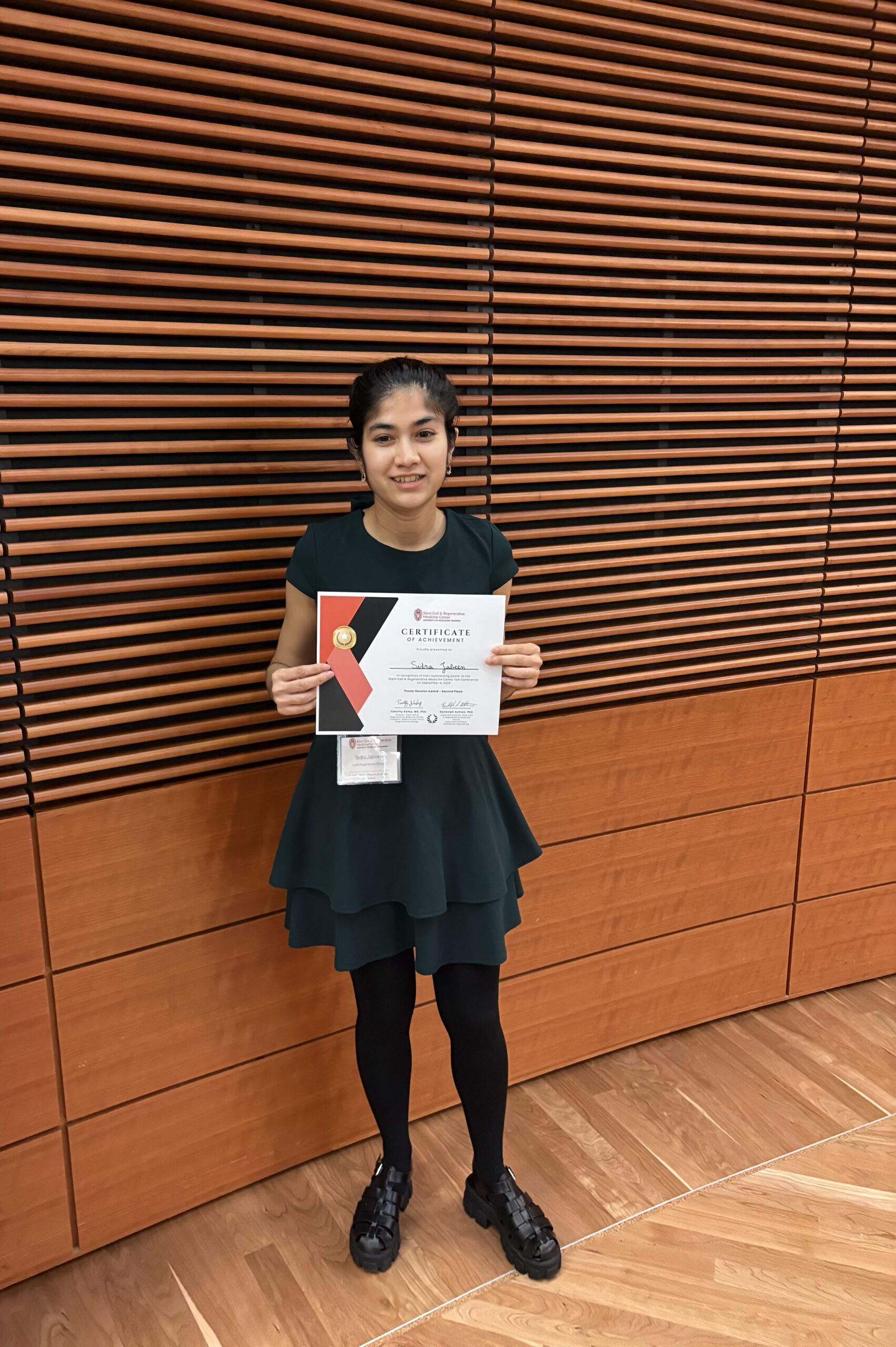
Photo by Paige Mussehl
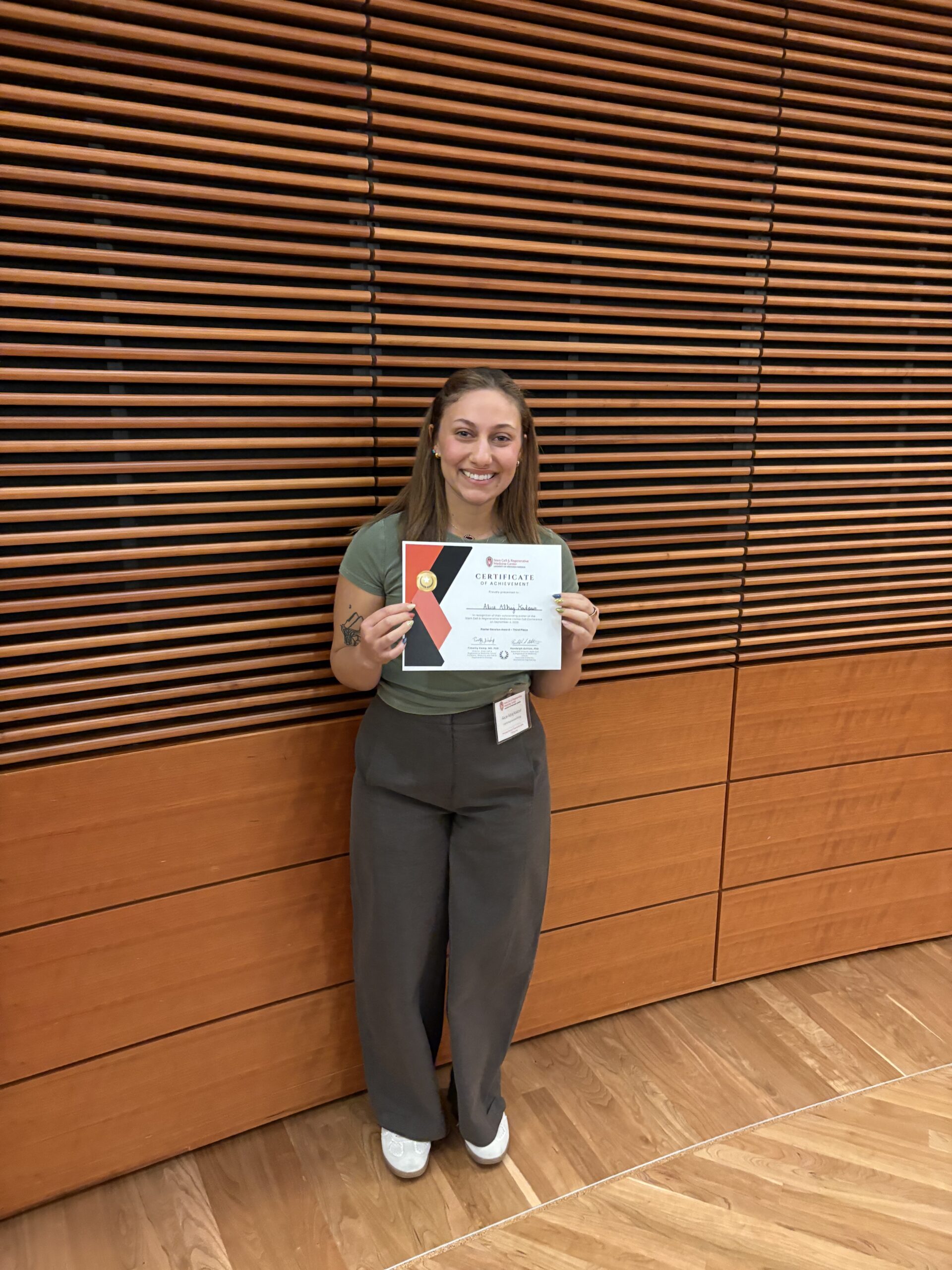
Photo by Paige Mussehl
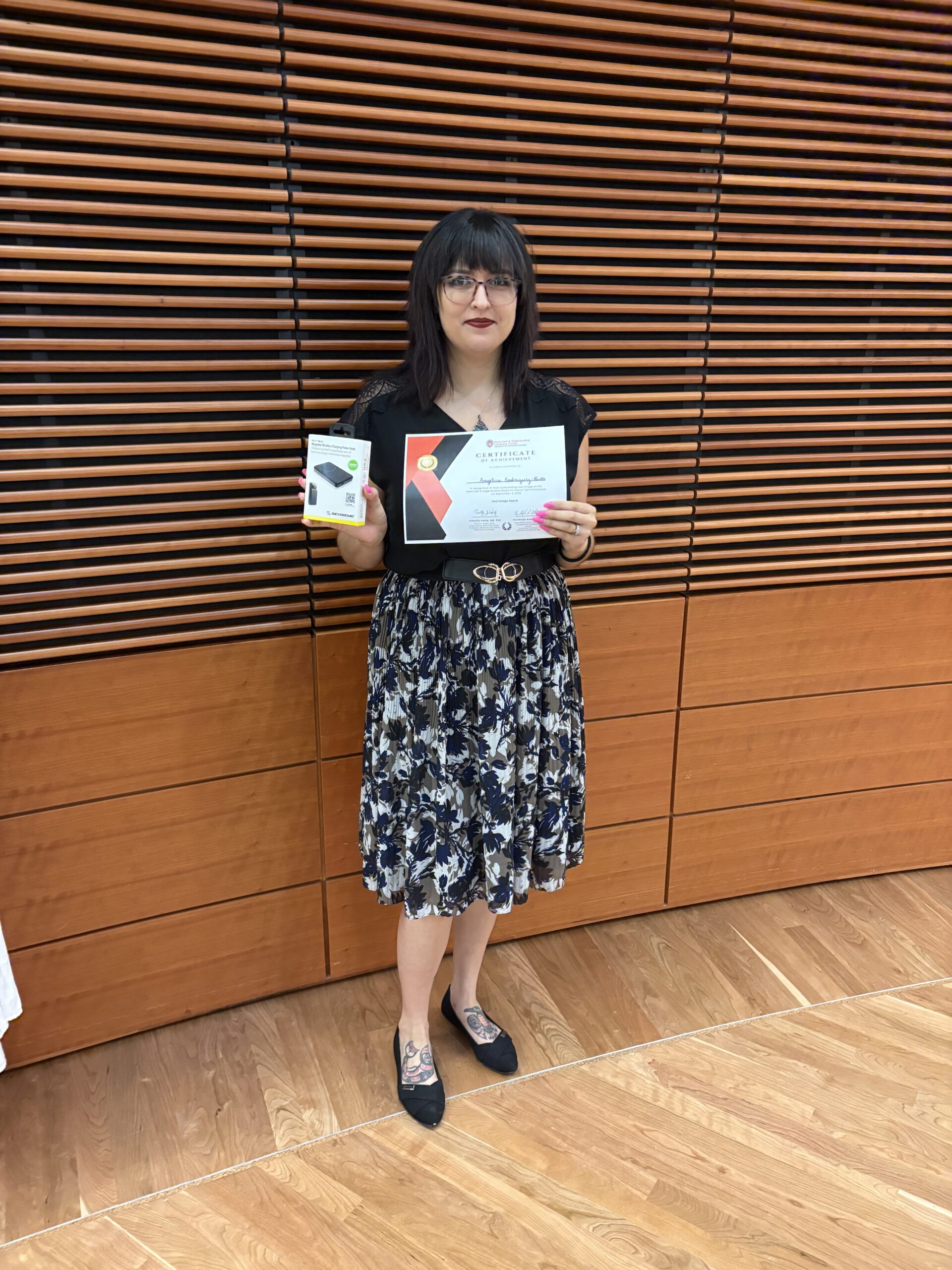
Photo by Paige Mussehl
Save the Date: September 3, 2027
We invite you to join us for the 2027 Fall Conference and Job Fair/Exhibition. The event will take place at the Discovery Building and include two keynotes, a poster contest, and more!
Partnering for the Future
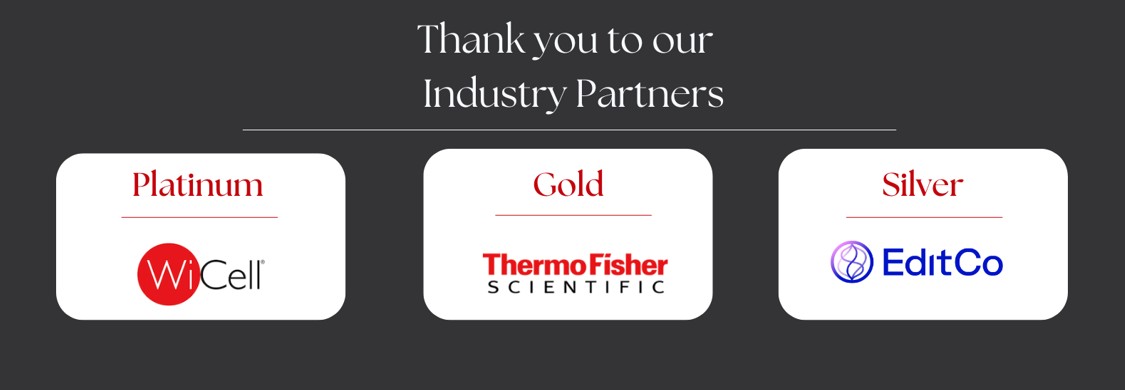
The University of Wisconsin–Madison Stem Cell and Regenerative Medicine Center (SCRMC) Industry Partnerships help to advance stem cell and regenerative medicine science and support the biotechnology ecosystem throughout Wisconsin and beyond. Specifically, industry members support the SCRMC’s annual Fall Conference and Job Fair/Exhibition, connect with SCRMC-trained job applicants through the Center’s Job Board and provide important insight for the Center.
Save the Date: April 14, 2027
We invite you to join us for the 21st Wisconsin Stem Cell Symposium. This annual event is coordinated by the University of Wisconsin–Madison Stem Cell & Regenerative Medicine Center and the BTC Institute. It is held at the Biopharmaceutical Technology Center (BTC) on the Promega Corporation Campus in Fitchburg/Madison, Wisconsin.
View or share employment opportunities
We invite you to explore the employment opportunities at the link below, which include trainee positions as well as jobs on and off campus.
To post a job to this site, please contact Bekah McBride at bmcbride@medicine.wisc.edu. Please note that only SCRMC members and Industry Partners are able to share jobs on this site.
Organization Updates
ISSCR Participation and Events
The International Society for Stem Cell Research (ISSCR) is a cross-disciplinary, science-based organization dedicated to advancing stem cell research and its translation to medicine. They host several events and collaboration opportunities each year including their annual meeting which will be held in San Francisco June 15-18, 2027.
Several SCRMC members are engaged with this organization and it also offers opportunities for graduate students to expand their network and share research.
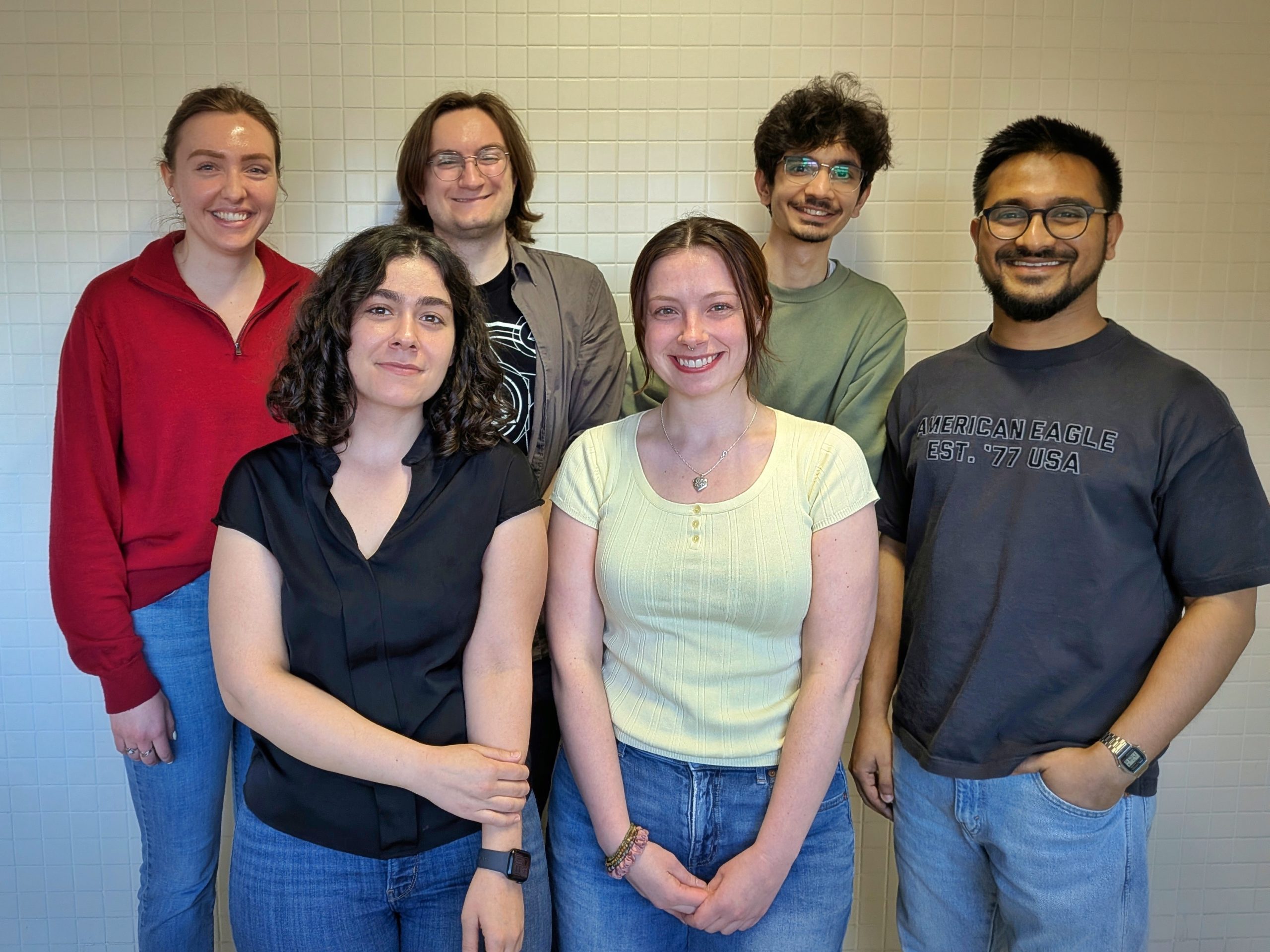
Graduate Students are invited to join the GSA
The SCRMC Graduate Student Association (GSA) brings together graduate students and postdoctoral trainees from across the stem cell and regenerative medicine community through monthly research presentations, networking events, and professional development opportunities. The GSA provides a supportive, trainee-focused environment for sharing research, practicing presentations, exchanging ideas, and building connections across labs and disciplines. Graduate students and postdocs interested in attending, getting involved, or presenting at a future meeting are encouraged to connect with the GSA.
Student Society for Stem Cell Research (SSSCR)
The Student Society for Stem Cell Research (SSSCR) is now open for members to join for the 2026-2027 school year! All undergrads at the University of Wisconsin- Madison are free to join. The group will be having biweekly meetings with guest speakers, socials, and opportunities for networking/professional development! All information regarding meeting times and locations will be communicated on the website. Please feel free to reach out to the Co-chairs with any questions or concerns.
Aditi (aboddu@wisc.edu)
Arnav (amahajan28@wisc.edu)
Invest in the Future of Medicine
1st
Beginning in 1995 with the first successful culturing of embryonic stem cells from non-human primates, and later with the isolation of the world’s first human embryonic stem cells in 1998, the University of Wisconsin–Madison has been a leader in the companion fields of stem cell research and regenerative medicine.
118+
The SCRMC has over 118 members across campus! We provides a central point of contact, information and facilitation for all stem cell research activities on campus. The center’s mission is to advance the science of stem cell biology and foster breakthroughs in regenerative medicine through faculty interactions, research support and education.
19 years
For 19 years, the SCRMC has been making great strides in biomedical science and our ability to treat debilitating diseases, discover new medicines and uncover the fundamental processes that lead to disease. We look forward to celebrating 20 years with you in 2027 and we hope you will help to support this work for many more!
Find us on Social Media
Connect with us to stay up-to-date on the latest events, awards, and announcements!