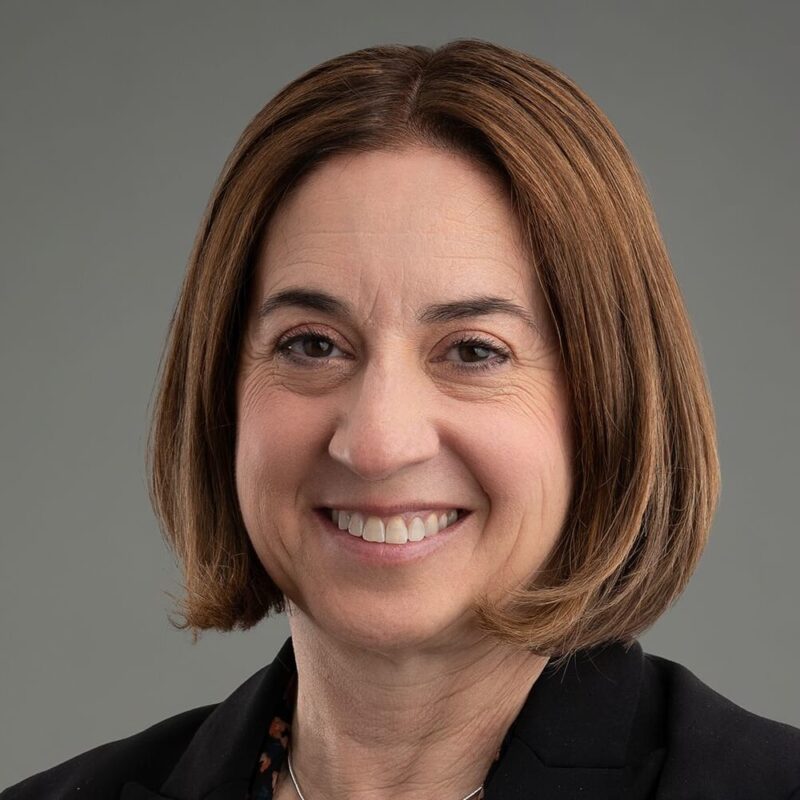
Hara Levy MD, MMSc
Professor of pediatrics at the University of Wisconsin School of Medicine and Public Health
Research Description: Dr. Levy’s translational research program uses cystic fibrosis (CF) as a model to understand how inherited epithelial ion-channel dysfunction and chronic airway infection reprogram innate immune cells and alter lung repair. Her group focuses on monocytes/macrophages and neutrophils, two hematopoietic lineages central to tissue injury, inflammation, resolution, and regeneration. Using patient-derived cells and integrated epigenomic, transcriptomic, and metabolic approaches – including CUT&Tag/CUT&RUN for histone marks, single-cell profiling, flow cytometry, cytokine assays, and optical metabolic imaging – her laboratory studies how CFTR dysfunction and exposure to Pseudomonas aeruginosa establish durable immune-cell states not fully corrected by CFTR modulators. This work is directly aligned with regenerative medicine because it addresses how cell-intrinsic programming and inflammatory microenvironments shape immune-cell plasticity, epithelial injury, and the capacity for lung repair. Through SCRMC, Dr. Levy aims to build collaborations that integrate stem/progenitor-cell and organoid platforms with patient-based immune profiling to identify mechanisms and therapeutic targets that promote healthier airway regeneration and more precise treatment for children with CF and related lung diseases.
Organ System/Disease Focus:
Pulmonary disease, with a primary focus on cystic fibrosis, chronic airway infection, pediatric lung disease, newborn screening, and precision genomics. Dr. Levy’s program links CF epidemiology and health disparities with patient-derived cellular and molecular studies to understand why children with CF develop divergent pulmonary outcomes, particularly in relation to Pseudomonas aeruginosa infection.
Aligned Research Focus:
Stem cell and regenerative medicine alignment: innate immune-cell development and plasticity; monocyte/macrophage and neutrophil programming; epigenetic and metabolic regulation of immune-cell state, fate, and function; epithelial-immune crosstalk in lung injury and repair; patient-derived disease modeling; and integration of genomics, epigenomics, single-cell approaches, and optical metabolic imaging.